
Blog
From the blog.
Sleep science, habit research, and morning strategies — with a drawing alarm that actually wakes you up.

What 50 Million Doodles Teach Us About Human Creativity
The Google Quick Draw dataset is the largest collection of human drawings ever assembled. Analyzing patterns across 50 million doodles reveals unexpected truths about how humans think visually, what creativity looks like at scale, and what is universal versus culturally specific in how we represent the world.

How to Train Yourself to Wake Up Without an Alarm (And When You Shouldn't Try)
Some people wake naturally before their alarm every morning. Research on prospective memory, internal time-keeping, and sleep architecture explains how this is possible — and what conditions make it achievable. It also explains why forcing it when sleep-deprived is counterproductive.

The Motor Cortex and Morning Activation: Why Physical Action Beats Mental Effort at Wake-Up
The motor cortex activates faster than the prefrontal cortex in the morning. Research on sleep inertia, motor system warm-up, and embodied cognition explains why doing something physical immediately after waking is neurologically more effective than thinking your way awake — and how to use this.

Why You Can't 'Catch Up' on Sleep Over the Weekend
The idea of sleeping in on weekends to recover from a week of short nights is deeply intuitive and thoroughly wrong. Research on cognitive performance, metabolic function, and circadian disruption shows that weekend sleep recovery is largely a myth — and social jet lag is a real, measurable health cost.

Drawing as a Mindfulness Practice: What the Research Actually Shows
Mindfulness research has focused primarily on meditation. But drawing shares many of its core neurological mechanisms — present-moment focus, reduced default mode network activity, and flow state induction — with stronger accessibility for people who find sitting meditation difficult. Here is the science.
The Cortisol Awakening Response: The Hormone That Primes You for the Day
Within 30 minutes of waking, cortisol surges by 50–100% above baseline in what researchers call the Cortisol Awakening Response. This is not stress — it is the brain's daily self-primer. Understanding it explains why morning routines have outsized effects on the rest of the day.
Morning Rituals Are Neurologically Different From Other Habits: Here Is Why
Habits formed in the morning encode differently in the brain than habits attempted at other times of day. Research on dopamine timing, cortisol windows, and implementation intentions explains why the first actions of the day have outsized leverage — and how to use that leverage deliberately.
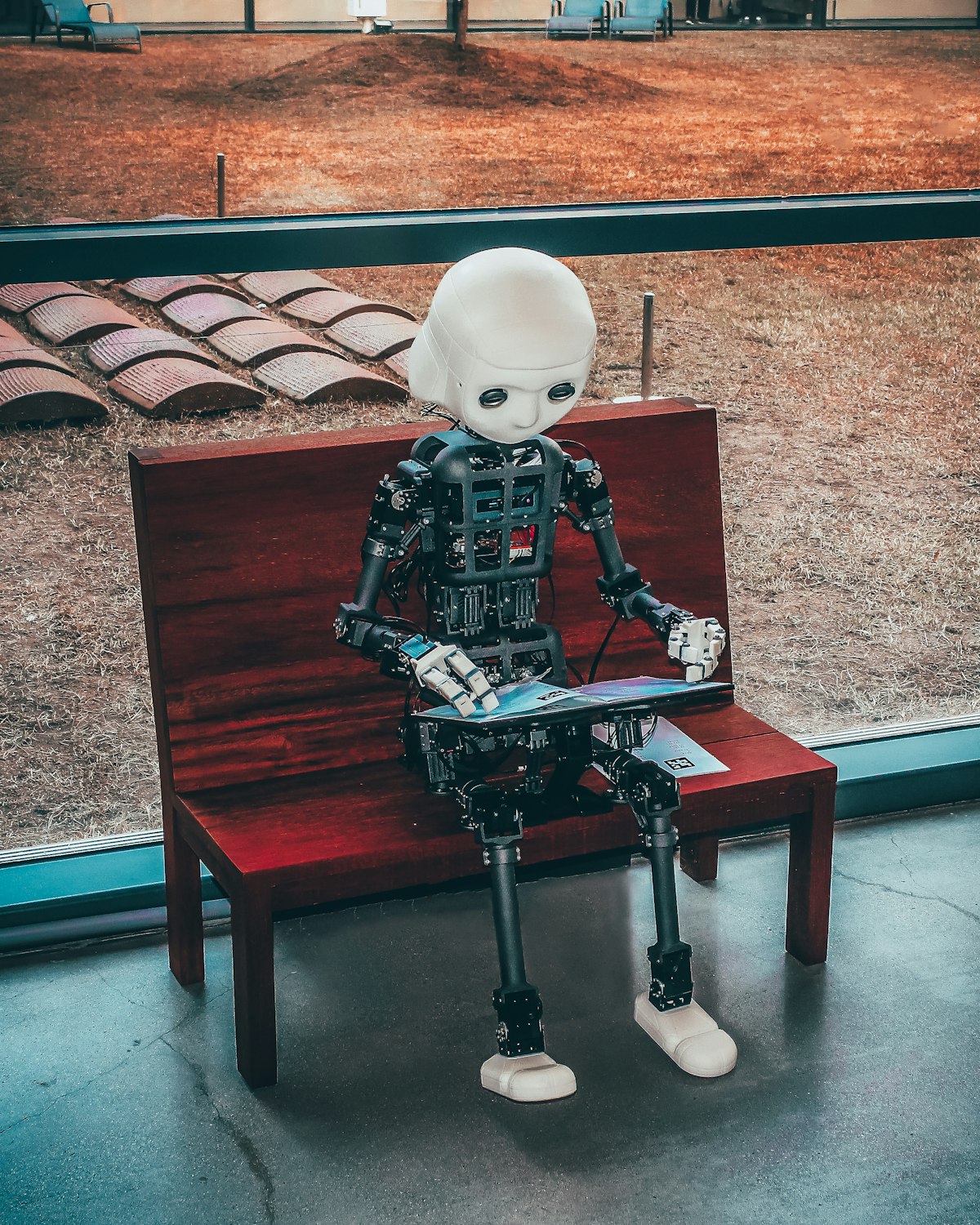
How Machines Learned to Recognize Doodles: The Science Behind Google Quick Draw
In 2016 Google launched Quick, Draw! — a game that collected 50 million doodles across 345 categories. The result was the largest public drawing dataset ever assembled, and the foundation for training neural networks to understand human sketches. Here is how it works and what it teaches us about machine perception.

On-Device AI: Why Your Phone Shouldn't Send Your Drawings to the Cloud
When an app processes your data on-device instead of sending it to a server, the privacy implications are fundamentally different. Here is what on-device AI actually means, how TFLite makes it possible on a phone, and why it matters for apps that handle personal behavioral data.

The Anxiety of Alarm: Why Some People Dread the Sound of Their Own Alarm
For many people, the alarm has become a conditioned anxiety trigger. Classical conditioning, amygdala hyperreactivity, and repeated pairing with stressful morning content explain the physiology of alarm dread — and what the research says about redesigning the waking experience.
Why Your Phone Is the Worst Alarm Clock (And What the Research Actually Recommends)
Using your phone as an alarm clock is behavioral design working against you. Research on sleep disruption, notification-driven stress, and morning cognitive architecture explains why the convenience is costing you more than you realize — and what to use instead.
The Attention Economy Is Winning Your Morning — Here Is How to Fight Back
Social media platforms are engineered to capture attention at the moment of maximum neurological vulnerability: waking. Variable reward schedules, dopamine hijacking, and cortisol re-routing explain what is happening in your brain every morning — and what structural changes actually work.
Deep Work Starts with How You Wake Up
Cal Newport's research identifies the morning cognitive window as the highest-value time for focused work. But that window only opens if the waking experience doesn't corrupt it first. Here is the neuroscience of morning focus and how to protect it.
Decision Fatigue Starts Before Breakfast: Why Your Willpower Is Already Depleted at 7 AM
Roy Baumeister's ego depletion research and the Israeli judges study show that willpower is a finite cognitive resource. Most people burn it on trivial morning decisions before they ever start their real work. Here is what the research says and how system design fixes it.

The First 90 Seconds After Waking Set the Tone for Your Entire Morning
The cortisol awakening response peaks 30–45 minutes after waking. Research on behavioral anchoring shows that what you do in the first 90 seconds either works with this hormonal window or against it — and that the first deliberate action is the highest-leverage moment of the day.

The Circadian Clock Runs on Light, Not Willpower
Every cell in your body contains a molecular clock. The master pacemaker that synchronizes them all is set by light — specifically, the timing and spectrum of light you receive each morning. Andrew Huberman's research explains why this is the most powerful sleep intervention you are probably not using.

Your Chronotype Is Not an Excuse — But It Is a Real Thing
Research shows chronotype is roughly 50% genetic. Night owls are not lazy — they are biologically wired differently from morning larks. Here is what the science says about chronotype, what you can shift, and what you cannot.

Sleep Debt Is Real: The Hidden Neurological Cost of Chronic Sleep Loss
Sleeping six hours a night for two weeks produces cognitive impairment equivalent to 48 hours of total sleep deprivation — and you will not notice. The neuroscience of sleep debt, why willpower cannot compensate, and what actual recovery requires.
Doodling Is Not Wasted Time: What Neuroscience Says About Drawing and Cognitive Performance
A landmark study found doodling improves memory retention by 29%. Neuroscience explains why drawing activates unique neural pathways that passive listening and reading cannot — and what that means for focus, creativity, and how we wake up.

Why You Keep Hitting Snooze: The Neuroscience of Morning Resistance
Research-backed neuroscience explaining why your brain actively resists waking up — sleep inertia, adenosine buildup, REM disruption — and what cognitive science says actually fixes the snooze habit for good.
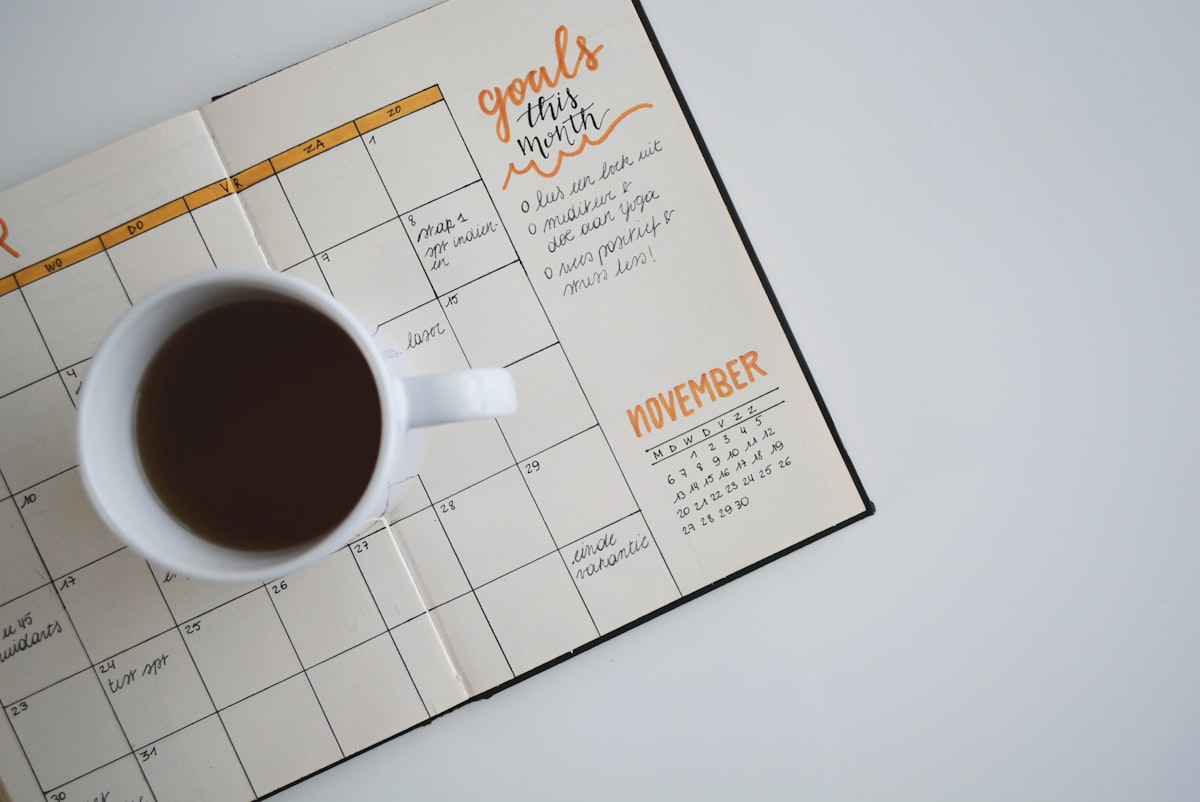
Morning Routine Hacks for People Who Hate Mornings
Science-backed strategies, habit research, and practical changes that actually work — for the people who hit snooze four times and still feel guilty about it.